

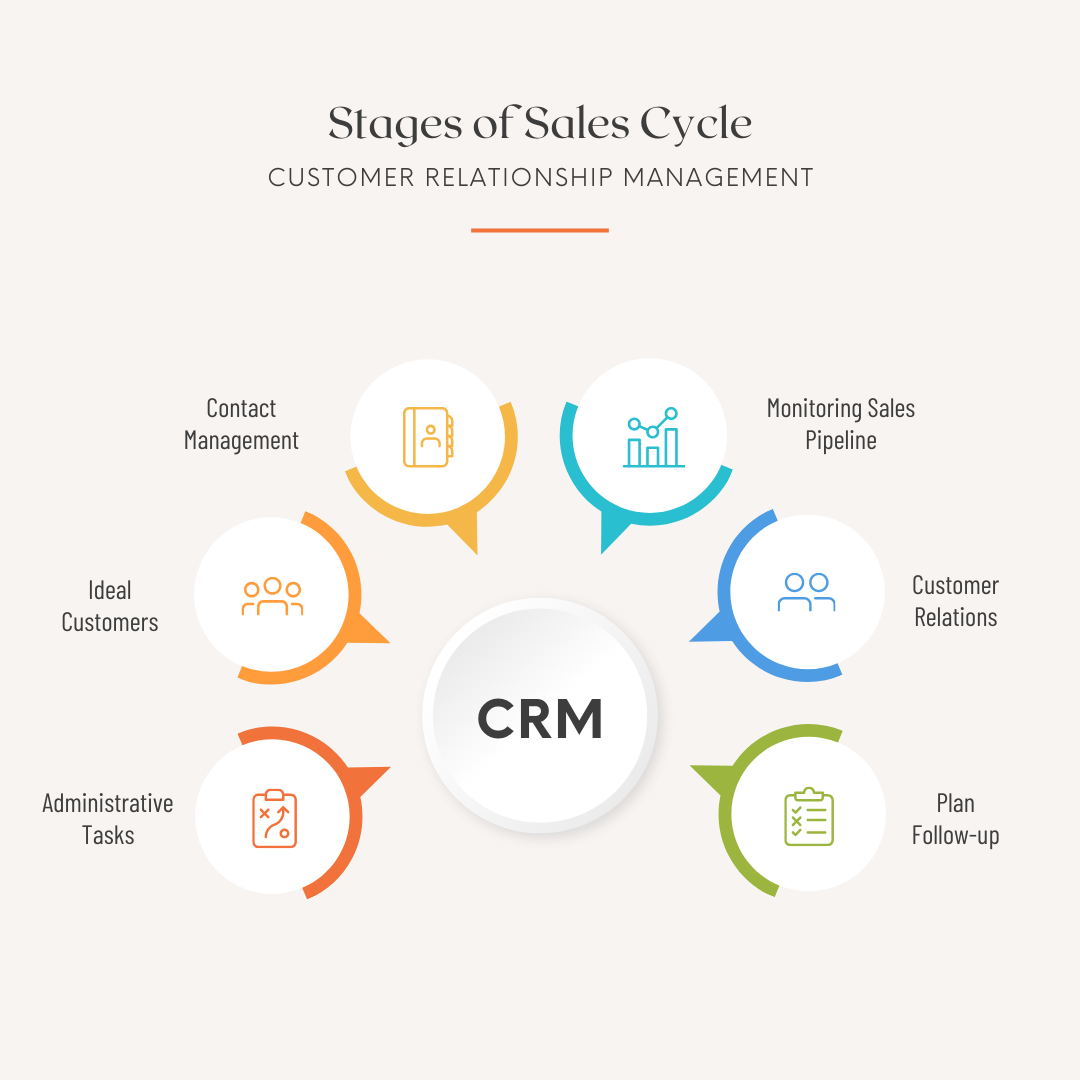
The Ultimate Guide to Choosing the Best CRM Open Source Software for Your Business
Are you looking for a CRM open-source software that can streamline your business operations and improve customer relationships? Look no further, because in this ultimate guide, we will walk you through the process of choosing the best CRM open-source software for your business.
In today’s competitive market, having a customer relationship management (CRM) system is essential for businesses of all sizes. An open-source CRM software offers numerous benefits, such as cost-effectiveness, flexibility, and customization options. However, with the abundance of options available, selecting the right one can be overwhelming.
In this guide, we will discuss the key factors to consider when choosing a CRM open-source software. We will explore the features, scalability, integration capabilities, and user-friendly interfaces that will best suit your business needs. We will also delve into how to evaluate the security measures and community support surrounding different CRM software options.
By the end of this guide, you will have a clear understanding of the important criteria to consider and will be equipped with the knowledge to select the best CRM open-source software that aligns with your business goals. Let’s get started on this journey to optimizing your business efficiency and customer satisfaction.
Types of CRM software
There are various types of CRM software available in the market, each catering to different business needs and objectives. One common type is operational CRM, which focuses on automating and improving customer-facing processes, such as sales, marketing, and customer service. Operational CRM software typically includes features like contact management, lead tracking, and campaign management to streamline customer interactions and enhance efficiency.
Another type of CRM software is analytical CRM, which emphasizes data analysis and customer insights. Analytical CRM software enables businesses to analyze customer data to identify patterns, trends, and opportunities. By leveraging this data-driven approach, businesses can make informed decisions, predict customer behavior, and personalize their marketing strategies. Analytical CRM software is valuable for businesses looking to enhance their competitive advantage through data-driven decision-making.
Additionally, collaborative CRM software focuses on facilitating communication and collaboration with customers across various touchpoints. This type of CRM software integrates communication channels, such as email, phone, and social media, to provide a seamless and personalized customer experience. Collaborative CRM software is ideal for businesses that prioritize building strong customer relationships and fostering engagement through effective communication.
Open source vs. proprietary CRM software
When considering CRM software options, businesses often face the choice between open source and proprietary solutions. Open source CRM software is characterized by its flexibility, customization options, and community-driven development. With open source CRM software, businesses have the freedom to modify the code base according to their specific requirements and integrate it with other systems seamlessly. This flexibility allows for greater control over the software and the ability to tailor it to meet evolving business needs.
On the other hand, proprietary CRM software is developed and maintained by a specific vendor, limiting customization options and requiring businesses to rely on the vendor for updates and support. While proprietary CRM software may offer a more polished user interface and dedicated support, it often comes with higher costs and vendor lock-in. In contrast, open source CRM software typically has lower upfront costs and provides a more collaborative and transparent development process.
Ultimately, the choice between open source and proprietary CRM software depends on the business’s needs, budget, and level of customization required. Businesses seeking greater flexibility and control over their CRM software may opt for open source solutions, while those prioritizing ease of use and dedicated support may prefer proprietary options. It is essential for businesses to evaluate their specific requirements and consider the long-term implications of their CRM software choice.
Factors to consider when choosing CRM software
When selecting CRM software for your business, several key factors should be taken into consideration to ensure that the chosen solution aligns with your organization’s goals and requirements. One crucial factor to consider is the scalability of the CRM software, as your business needs may evolve over time. It is essential to choose a CRM solution that can accommodate growth and additional users without compromising performance or functionality.
Integration capabilities are another critical factor to consider when choosing CRM software. The ability to integrate the CRM software with other systems, such as email marketing platforms, e-commerce tools, and customer support software, is essential for streamlining processes and maximizing efficiency. Seamless integration can enhance data flow and provide a unified view of customer interactions across various touchpoints.
The user-friendly interface of the CRM software is also an important consideration, as it can impact user adoption and overall productivity. A well-designed and intuitive interface can simplify navigation, reduce training time, and enhance user satisfaction. Additionally, evaluating the security measures implemented in the CRM software is crucial to safeguard customer data and protect against potential security threats. Robust security features, such as data encryption, access controls, and regular security audits, are essential for maintaining data integrity and confidentiality.
Community support surrounding the CRM software is another factor to consider, especially for open source solutions. A vibrant and active community can provide valuable resources, such as forums, documentation, and plugins, to enhance the functionality and usability of the CRM software. Community support can also ensure timely updates, bug fixes, and ongoing development, contributing to the long-term success and sustainability of the CRM software.
Top open source CRM software options
Several open source CRM software options are available in the market, each offering unique features and capabilities to meet diverse business needs. One popular open source CRM software is SuiteCRM, which is based on the SugarCRM platform and provides a comprehensive suite of CRM tools, including sales automation, marketing campaigns, and customer support. SuiteCRM offers a highly customizable interface and robust reporting capabilities, making it suitable for businesses of all sizes.
Another notable open source CRM software is Vtiger CRM, which combines sales automation, marketing automation, and customer service into a single platform. Vtiger CRM features a user-friendly interface, customizable workflows, and integration with third-party applications, making it a versatile solution for businesses looking to streamline their customer interactions. Vtiger CRM also offers mobile access and cloud hosting options for added flexibility and convenience.
Odoo CRM is another popular open source CRM software that integrates seamlessly with other Odoo business applications, such as inventory management, accounting, and project management. Odoo CRM provides a unified platform for managing customer relationships, sales pipelines, and marketing campaigns, with built-in reporting and analytics tools for data-driven decision-making. Its modular approach allows businesses to scale and customize the CRM software according to their specific needs and requirements.
Additionally, EspoCRM is an open source CRM software known for its simplicity and ease of use. EspoCRM offers a clean and intuitive interface, contact management, lead tracking, and email integration features to streamline customer interactions. With its customizable fields and layouts, EspoCRM enables businesses to tailor the CRM software to their unique processes and workflows. Its active community and extensive documentation provide resources for users to optimize their CRM experience.
Features to look for in open source CRM software
When evaluating open source CRM software options for your business, it is essential to consider the features and functionalities that align with your organization’s requirements. One key feature to look for is contact management, which allows businesses to store, organize, and track customer information in a centralized database. Contact management features should include customizable fields, tagging options, and search capabilities for efficient data retrieval and segmentation.
Another important feature to consider is lead management, which enables businesses to capture, qualify, and nurture leads throughout the sales pipeline. Lead management features should include lead scoring, automated workflows, and lead assignment rules to prioritize and track leads effectively. By streamlining lead management processes, businesses can optimize their sales efforts and improve conversion rates.
Additionally, marketing automation features are crucial for engaging prospects and customers through targeted campaigns and personalized messaging. Marketing automation features should include email marketing, campaign management, and analytics tools to track campaign performance and customer engagement. By automating marketing processes, businesses can deliver timely and relevant content to prospects, nurture leads, and drive conversions.
Furthermore, customer support and service features are essential for maintaining strong customer relationships and addressing inquiries and issues promptly. Customer support features should include ticket management, knowledge base, and self-service portals to facilitate efficient communication and resolution of customer issues. By providing excellent customer support, businesses can enhance customer satisfaction, loyalty, and retention.
Case studies of successful businesses using CRM software
Many businesses have successfully leveraged CRM software to streamline operations, improve customer relationships, and drive business growth. One such example is Salesforce, a leading CRM software provider that has transformed the way businesses manage customer interactions and sales processes. Salesforce’s cloud-based CRM platform offers a comprehensive suite of tools for sales, marketing, and customer service, empowering businesses to deliver personalized experiences and drive revenue.
Another success story is HubSpot, an all-in-one marketing and sales platform that helps businesses attract, engage, and delight customers. HubSpot’s CRM software integrates marketing automation, sales automation, and customer service tools to provide a seamless and personalized customer experience. By aligning marketing and sales efforts, businesses can generate leads, convert prospects, and retain customers effectively.
Zoho CRM is another prominent example of a successful CRM software implementation, offering a suite of applications for sales, marketing, and customer support. Zoho CRM’s customizable and intuitive interface enables businesses to streamline customer interactions, automate workflows, and track performance metrics. By leveraging Zoho CRM’s robust features and analytics tools, businesses can optimize their sales processes and drive revenue growth.
Furthermore, Microsoft Dynamics 365 is a versatile CRM software solution that integrates with Microsoft’s suite of business applications, such as Office 365 and Power BI. Microsoft Dynamics 365 provides a unified platform for sales, marketing, and customer service, enabling businesses to personalize customer experiences and drive operational efficiency. With its AI-driven insights and predictive analytics, Microsoft Dynamics 365 empowers businesses to make data-driven decisions and stay ahead of the competition.
Implementation and customization of CRM software
The successful implementation and customization of CRM software are crucial for maximizing its benefits and ensuring alignment with your business objectives. The first step in implementing CRM software is to define clear goals and objectives for the system, outlining what you aim to achieve and how the software will support your business processes. By establishing clear goals, you can tailor the CRM software to meet your specific requirements and measure its impact on key performance indicators.
Once goals are defined, the next step is to customize the CRM software to align with your organization’s workflows and processes. Customization options may include configuring fields, layouts, and workflows to match your unique business requirements. By customizing the CRM software, you can optimize user adoption, streamline processes, and enhance data accuracy and relevance. It is essential to involve key stakeholders in the customization process to ensure that the software meets their needs and enhances their productivity.
Training and onboarding are critical components of CRM software implementation, as they enable users to familiarize themselves with the system and maximize its capabilities. Providing comprehensive training sessions, user guides, and ongoing support can help employees adopt the CRM software effectively and leverage its features for improved customer interactions and operational efficiency. Regular feedback and evaluation can also help identify areas for improvement and ensure that the CRM software continues to align with evolving business needs.
Furthermore, integrating the CRM software with other systems and applications is essential for maximizing its functionality and streamlining processes. Integration options may include connecting the CRM software with email platforms, e-commerce systems, marketing automation tools, and customer support software to create a unified and seamless experience for users and customers. By integrating disparate systems, businesses can enhance data flow, automate processes, and gain a comprehensive view of customer interactions across all touchpoints.
Conclusion and final thoughts
In conclusion, choosing the best CRM open-source software for your business is a critical decision that can impact your operational efficiency, customer relationships, and overall success. By considering factors such as scalability, integration capabilities, user-friendly interfaces, security measures, and community support, you can select a CRM software solution that aligns with your business goals and requirements. Open source CRM software options, such as SuiteCRM, Vtiger CRM, Odoo CRM, and EspoCRM, provide versatile and customizable solutions for businesses of all sizes.
When evaluating CRM software features, look for contact management, lead management, marketing automation, and customer support features to streamline processes and enhance customer interactions. Learn from successful businesses like Salesforce, HubSpot, Zoho CRM, and Microsoft Dynamics 365 that have leveraged CRM software to drive revenue growth and customer satisfaction. Implementing and customizing CRM software requires clear goals, stakeholder involvement, training, and integration with other systems to maximize its benefits and ensure long-term success.
Ultimately, the right CRM software can empower your business to build strong customer relationships, improve operational efficiency, and drive growth. By following this ultimate guide to choosing the best CRM open-source software, you can optimize your business processes, enhance customer satisfaction, and achieve your strategic objectives. Take the next step in transforming your business with a powerful CRM software solution that meets your unique needs and propels your business towards success.