

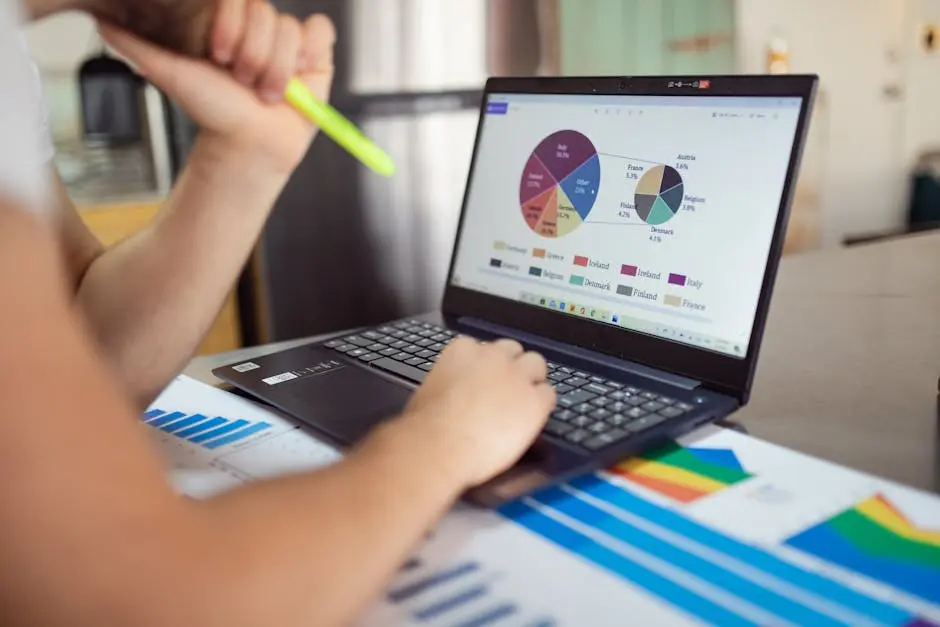
In today’s rapidly evolving business landscape, small and medium-sized businesses (SMBs) face unique challenges and opportunities. One of the most transformative factors for SMBs is the implementation of business IT solutions. These technologies not only streamline operations but also open new avenues for growth and innovation. In this blog, we’ll explore how embracing business IT solutions can help propel your SMB forward.

Understanding Business IT Solutions
Business IT solutions encompass a wide range of technologies and services designed to address different aspects of business operations. These can include software applications, cloud services, and cybersecurity measures, among others. Understanding what these solutions entail is the first step toward integrating them into your business strategy.
Business IT solutions are not a one-size-fits-all proposition. Instead, they are tailored to meet the specific needs of your SMB. For example, a retail operation might benefit from point-of-sale (POS) systems and inventory management software, whereas a consultancy might focus on customer relationship management (CRM) tools and project management platforms. These tailored solutions allow businesses to operate more efficiently and meet their unique needs.
In addition to addressing immediate needs, the right business IT solutions can position your company for future success. By adopting scalable solutions, you ensure that your technology can grow along with your business. This scalability is crucial for SMBs, which often experience rapid growth or shifts in business focus that require technological adaptability.
It is also important to note that various industries benefit differently from IT solutions. For instance, in the construction sector, integrating data-driven technologies can lead to more efficient project management and cost control. Check out this guide on data-driven decision making to understand its importance and implementation specifics.
Boosting Operational Efficiency
Efficiency is critical for SMBs, and business IT solutions can significantly streamline processes. From automated workflows to integrated systems that reduce manual tasks, these solutions can help you save time and resources. This section explores some key technologies that can enhance operational efficiency.
One of the most significant benefits of IT solutions is the automation of routine tasks. Automation tools can handle everything from payroll processing to inventory checks, liberating valuable time for your staff to focus on core business activities. This not only reduces the chance of human error but also ensures consistency and reliability in your operations.
Enterprise Resource Planning (ERP) systems are another excellent example of business IT solutions that boost operational efficiency. ERP systems integrate various functions like finance, HR, and supply chain management into a single platform, thereby enabling real-time data sharing and decision-making. The seamless flow of information within the organization enhances efficiency and reduces bottlenecks.
Data-driven decision-making is a game-changer for operational efficiency. By utilizing data analytics tools, businesses can gain insights into customer behavior, market trends, and internal performance metrics. This data can guide strategic decisions and help you optimize your operations. For a deeper dive into data-driven decision-making, consider reading this detailed guide on data-driven decision making in businesses.
Finally, cloud-based services offer unparalleled flexibility and scalability. Unlike traditional systems that require significant capital investment and maintenance, cloud services allow SMBs to pay for only what they use. This makes it easier to scale operations up or down based on demand, providing a cost-effective way to manage resources.
Enhancing Customer Relations
Customer satisfaction is the cornerstone of any successful business. Leveraging CRM systems and other customer-focused applications can help SMBs build strong, lasting relationships with their clients. Here, we discuss the ways in which IT solutions can improve customer service and engagement.
CRM systems are indispensable for managing customer interactions and data. They consolidate customer information from various channels, providing a unified view that’s accessible to all relevant team members. This enables personalized communication and efficient customer service, which can significantly enhance customer satisfaction and loyalty.
Moreover, CRM tools often come with analytics features that can track customer behavior, preferences, and feedback. These insights are invaluable for tailoring your marketing strategies and service offerings to meet your customers’ needs more effectively. As you better understand your customer base, you can anticipate their needs and deliver a more personalized experience.
Automated customer support systems, such as chatbots and virtual assistants, also play a crucial role in enhancing customer relations. They provide 24⁄7 support, swiftly addressing common queries and issues. This increases customer satisfaction by providing immediate assistance, especially during off-hours, without straining your human resources.
For a more community-centric approach, consider integrating social media platforms with your CRM. This helps in managing and monitoring social interactions with customers, thereby allowing for real-time engagement and more dynamic customer relationships. Blogs can also contribute to this by creating a platform for customer interaction and feedback. Check out these blogging tips for small businesses to maximize your engagement strategy.
Ensuring Cybersecurity
In an age where data breaches and cyber threats are increasingly common, prioritizing cybersecurity is crucial for SMBs. Implementing robust cybersecurity measures can protect your business from potential threats. This section covers the importance of cybersecurity and the IT solutions that can help safeguard your business.
Cybersecurity should be at the forefront of your business strategy. SMBs are often seen as easy targets due to their relatively lower security measures compared to larger organizations. Therefore, having a comprehensive cybersecurity plan that includes firewalls, anti-virus software, and encryption is essential.
Multi-factor authentication (MFA) is one simple yet highly effective way to secure your systems. By requiring multiple forms of verification before granting access, MFA significantly reduces the risk of unauthorized access. This is particularly important for protecting sensitive customer data and maintaining trust.
Regular security audits and vulnerability assessments are also critical components of a robust cybersecurity strategy. These audits help identify and rectify potential weaknesses in your system before they can be exploited by malicious actors. Partnering with cybersecurity experts can provide an extra layer of protection, ensuring that your defenses are always up to date.
Lastly, investing in cybersecurity training for your employees can go a long way in preventing cyber incidents. Human error is often the weakest link in cybersecurity, so educating your staff on best practices can protect your business from social engineering attacks such as phishing and malware. By fostering a culture of security awareness, you create an additional line of defense against cyber threats.
Preparing for Future Growth
As your SMB grows, your IT needs will evolve. Business IT solutions can scale with your company, offering flexibility and support as you expand. We’ll look at how investing in scalable IT solutions can set your business up for long-term success.
One of the main benefits of scalable IT solutions is their ability to adapt to changing business needs. For instance, cloud-based platforms allow you to easily add or remove services based on current demands. This flexibility ensures that you only pay for what you need, optimizing your resources and reducing unnecessary expenses.
Scalable IT solutions also contribute to innovation within your business. By adopting emerging technologies such as artificial intelligence (AI) and machine learning, you can stay ahead of industry trends and customer expectations. These technologies can automate complex tasks, provide insights through predictive analytics, and ultimately drive innovation and growth in your business.
To support scalability, it’s crucial to establish a strong IT infrastructure foundation. This includes investing in robust hardware and software, as well as maintaining reliable network connections. Regular updates and maintenance ensure that your systems remain efficient and capable of handling increased workloads as your business grows.
Finally, don’t forget the importance of customer feedback in guiding your growth strategy. Utilize tools that allow you to collect and analyze customer data, enabling you to make informed decisions that align with your customers’ needs and preferences. By focusing on continuous improvement and scalability, your SMB can achieve sustained growth and long-term success.
Propel Your SMB Forward with Business IT Solutions
Embracing business IT solutions is no longer a luxury but a necessity for SMBs looking to stay competitive and grow. From improving operational efficiency to enhancing customer relations and ensuring cybersecurity, these solutions provide a solid foundation for future success. By investing in the right IT tools and strategies, your SMB can not only survive but thrive in an ever-changing business environment.